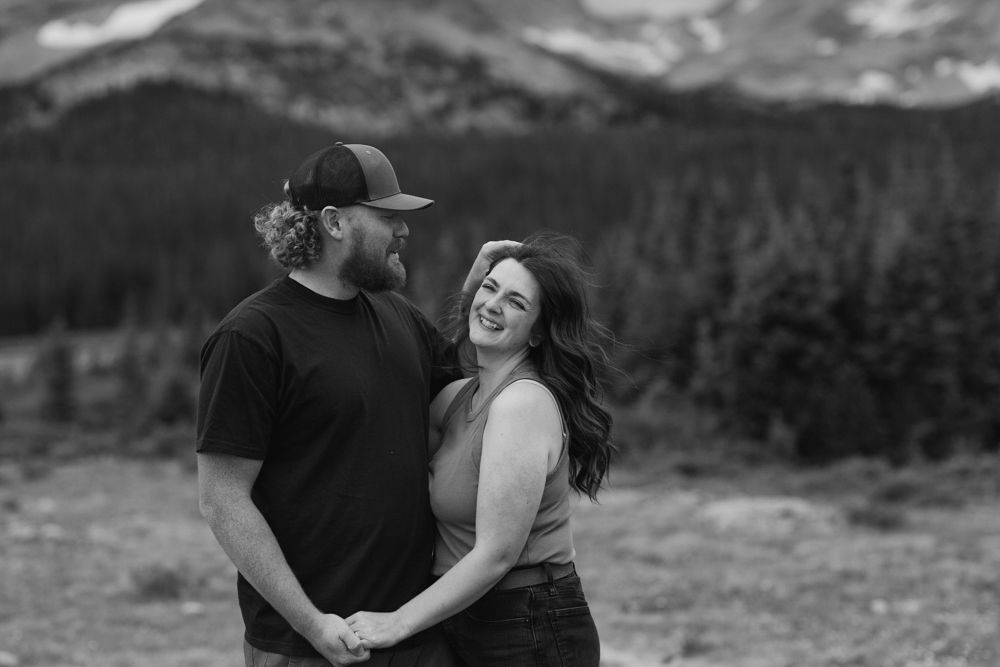
A Westminster Colorado motherhood photographer sharing the postpartum depression story-nobody was talking about it, and somebody should.
I remember driving home and my two older kids were screaming and fighting and my 3-month-old was crying in his car seat because he never liked the car. The closer I got to home, the noise started to become like a faint background noise and my mind was screaming: “I can’t do this. How am I going to survive this?” Tears rolling down my face, I got them out of the car like I did every day. But this day felt different, and it felt scary, and I had no idea what was going on with me. As a Westminster Colorado motherhood photographer, I know I'm not the only mom who has sat in that car feeling exactly that way.
I didn’t know it then, but I was sinking into postpartum depression. And it would take me two years to find my way out.
I’ve had two other kids before and I always felt really happy and joyful when they were this little. Was something wrong with me? Why wasn’t I happy? Or at least pretending to be happy to the others around me. But deep down inside I felt like I was sinking into this dark hole that felt unfamiliar and scary.
It kept getting darker and darker as the months went on and my anger grew and grew, letting things set me off like spilled milk or bathwater all over the bathroom floor. As if I was a dragon spitting fire out of my mouth. And then when it was quiet I’d hide under the covers in self-pity, hating myself because I couldn’t control my anger or my thoughts. I felt completely alone. Just me and my dark thoughts, not knowing what the next move was other than tape on a smile and keep pushing forward. But it was as if I had chains on my legs and I was walking but couldn’t keep moving.

I Didn’t Know It Had a Name
I lived in the darkness for 2 years. Two years of anger as tall as skyscrapers and me getting deeper and deeper into depression, till one day I couldn’t take the heavy burden anymore. I was working full time and I broke down in the ladies’ bathroom on the floor, begging for my life to be over, for the pain and the hurt and regret to disappear and for me to feel peace. I couldn’t do my job. Heck, I couldn’t even be a mom. And I quit my job. That’s when the fog started to lift and it was like I could feel the sun on my face and I started seeing a little bit of hope.
I didn’t know what I was experiencing was postpartum depression. Or maybe a little bit of me did realize it, but I didn’t want to admit to it. I’ve since learned that my postpartum depression story is more common than I ever knew — but nobody was talking about it.
But that’s the problem with darkness—it grows. But when we bring things to light, there is healing and hope.

The Damage I Didn’t See
As the fog started to lift, I started noticing the damage my postpartum depression had done to my son and the rest of my family. Every postpartum depression story looks a little different, and mine showed up as anger — and that made it so much harder to recognize.
As a Westminster Colorado motherhood photographer, I sit across from moms all the time who are holding it together on the outside. I know that look. I lived it. And that realization was almost as bad as the darkness itself. Seeing how much I had hurt the people I loved most in the world wrecked me in ways I never thought was possible. The damage was done, and now I had to fix all of it — my relationships and myself.
But what I needed to start with was forgiving myself. Because I didn't choose this, and I know I would never intentionally hurt my family. But because I let my postpartum depression grow in darkness, it made it so much harder to deal with.

Asking for Forgiveness
So I started putting in the work and asking for forgiveness from my children, which was so hard to do - to admit that I wasn’t handling things how I should have. My kids told me that at times I was scary. And hearing those words broke my heart. I wish I could have gone back and asked for help sooner, but there’s no point in going back. I can only move forward.
I’ve put in a lot of work, and at times it still tries to creep up on me. The shame and the guilt sometimes feel overwhelming. But I’m learning that I’m not the first person to go through this and I won’t be the last.
What I’m here to remind you is that it’s okay to ask for help. It doesn’t make you look weak or little. It actually gives you strength and courage to admit when you’re not doing well.

You Don’t Have to Stay in the Fog
I sometimes picture myself on that bathroom floor and I want to pick up that woman and hug her and tell her how much she was loved, and tell her that she did get through this even though it felt impossible. I'm happy to say that my relationship with my third is still a work in progress, but it's in such a better place than it ever was, and I'm so thankful for him in my life.
It's part of why I do what I do as a Westminster Colorado motherhood photographer — because I want moms to feel seen, even in the hard seasons.
If you're reading this and you're somewhere in the middle of your own postpartum depression story — maybe you're on the bathroom floor, maybe you're in the car with tears rolling down your face, maybe you're hiding under the covers hating yourself for the anger you can't control — I want you to know that I see you. I was you. And I promise you, the fog does lift.
You don't have to figure out how to name it or explain it or have it all make sense before you ask for help. You just have to take one small step toward the light. Tell one person. Make one call. Because the moment you stop carrying it alone, something shifts. And slowly, the sun starts to find you again.
You are not a bad mom. You are a mom who needs help. And that is one of the bravest things you will ever admit.